

 EN
EN 日本語
日本語SETTING THE STAGE: A NEW APPROACH SINCE 2025
At CodeComplete, Learning & Development (L&D) has always been a constant rhythm of our business. Across all levels, from the organization to teams and individuals, training activities have consistently played a role in how we operate. We are proud of this existing culture of learning, but we also recognize the potential to take it further.
2025 marks a decisive shift in our strategy. Since last year, the company has been making a comprehensive investment, dedicating significant financial resources, personnel, and time to elevate our L&D capabilities.
To ensure this new approach delivers real value, we have built it around the science of how adults learn best, and aim to create a learning environment that is practical, engaging, and directly linked to performance.
ADULT LEARNING PRINCIPLES & STYLES
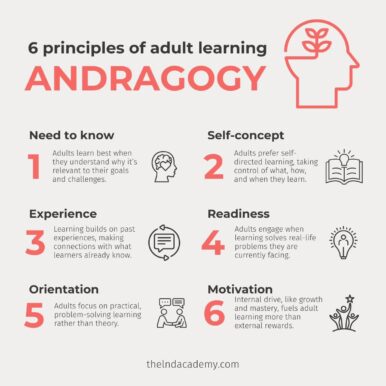
1. Knowles’ Six Adult Learning Principles
To design effective L&D programs, it is crucial to understand that adults learn differently from children. According to Malcolm Knowles, adult learning is driven by these six core characteristics
2. Learning Styles
Understanding how adults process information is just as important as understanding why they learn. Following the VARK Model, people have different preferences for receiving information:
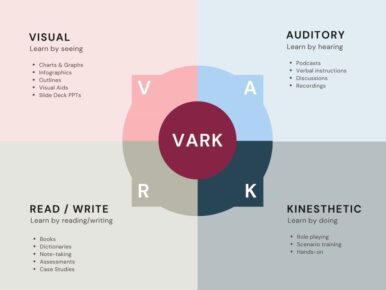
(refer to https://maxlearn.com/)
Note: 50-70% of learners use multiple styles.
CODECOMPLETE L&D PROGRAM APPLICATION & IMPLEMENTATION
Based on Knowles’ principles and Learning Styles, the company has implemented some actions from 2025 and set the strategy for years to come:
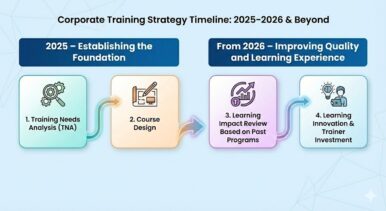
2025 – Establishing the Foundation
- Training Needs Analysis (TNA)
To ensure that training decisions are grounded in real-world situations, the L&D team conducted discussions with the management team based on three distinct layers of input:
- Business Requirements
- Team Skill Gaps
- Member Preferences
Based on these inputs, we are elevating the quality of our content and ensuring the application of the “Need to Know Why” and “Ready to Learn” principles. As a result, we are introducing specialized, high-demand courses such as Machine Learning, AWS, and Project Management, … to upskill the team and improve daily performance.
Besides, the company has invested in a comprehensive “Train the Trainer” program for Team Managers, Leaders, and senior key members to help deliver the L&D plans. This initiative equips our management team with the skills to plan, design, and deliver effective training, transforming them from just supervisors into true talent developers.
- Course Design
Once the training needs are identified, we move to designing a comprehensive learning roadmap. This phase defines exactly what will be learned, who the target audience is, what the expected outcomes are, and how the course is delivered.
To ensure quality and consistency, the execution is built on three pillars:
- The “Supporter” System: Every course includes a dedicated Supporter to track progress and keep learners engaged throughout their journey.
- Evaluation: Success is determined by passing embedded tests and assessments, ensuring that the course material is understood and knowledge is genuinely retained.
- The Feedback Loop: Feedback drives improvements by analyzing if the right people were matched with the right topics, allowing for refined planning and better audience targeting in the next cycle.
These demonstrate the “Adult Learner Experience” principle, enriching the learning experience of trainees and creating a good momentum for continuous improvement.
From 2026 – Improving Quality and Learning Experience
The L&D focus from 2026 shifts toward improving effectiveness, application, and the overall learning experience.
- Learning Impact Review Based on Past Programs
From 2026 onward, the L&D team will review feedback and usage insights from previous programs. The focus will be on understanding how useful the content was in daily work and where learners faced difficulties applying what they learned.
This reinforces the principle of Motivation to Learn. It helps identify which topics should be continued, adjusted, or replaced, ensuring that future training plans are based on real usage rather than assumptions.
- Learning Innovation & Trainer Investment
From 2026, while online learning remains an important foundation, suitable topics may be delivered through more varied formats based on Learning styles research. We will also diversify learning formats – incorporating visuals, discussions, and practical activities – to better engage learners.
Crucially, we are deepening our investment in our Internal Trainers and Supporters:
- Advanced Development: Beyond basics, we will offer specialized courses on training skills and facilitation for our trainers.
- Rewards & Recognition: We will continue to acknowledge their efforts and initiate appreciation activities to honor the time and expertise our internal experts contribute.
LOOKING AHEAD: A COMMITMENT TO GROWTH
Transforming an organization’s learning culture is a journey, not an overnight switch. We view 2025 as a year of building, laying the groundwork for a system where growth is actively supported, not just expected. There will be adjustments and lessons learned along the way.
Moving forward to 2026 and beyond, feedback and lessons learned from last year will be used to improve the process, refine course selection, and enhance the learning impact in the years to come.
As the core philosophy remains simple: the organization’s greatest asset is its people. By investing in their potential today, we are not only solving immediate challenges but securing a stronger, more innovative future.